Symbols within the Cross
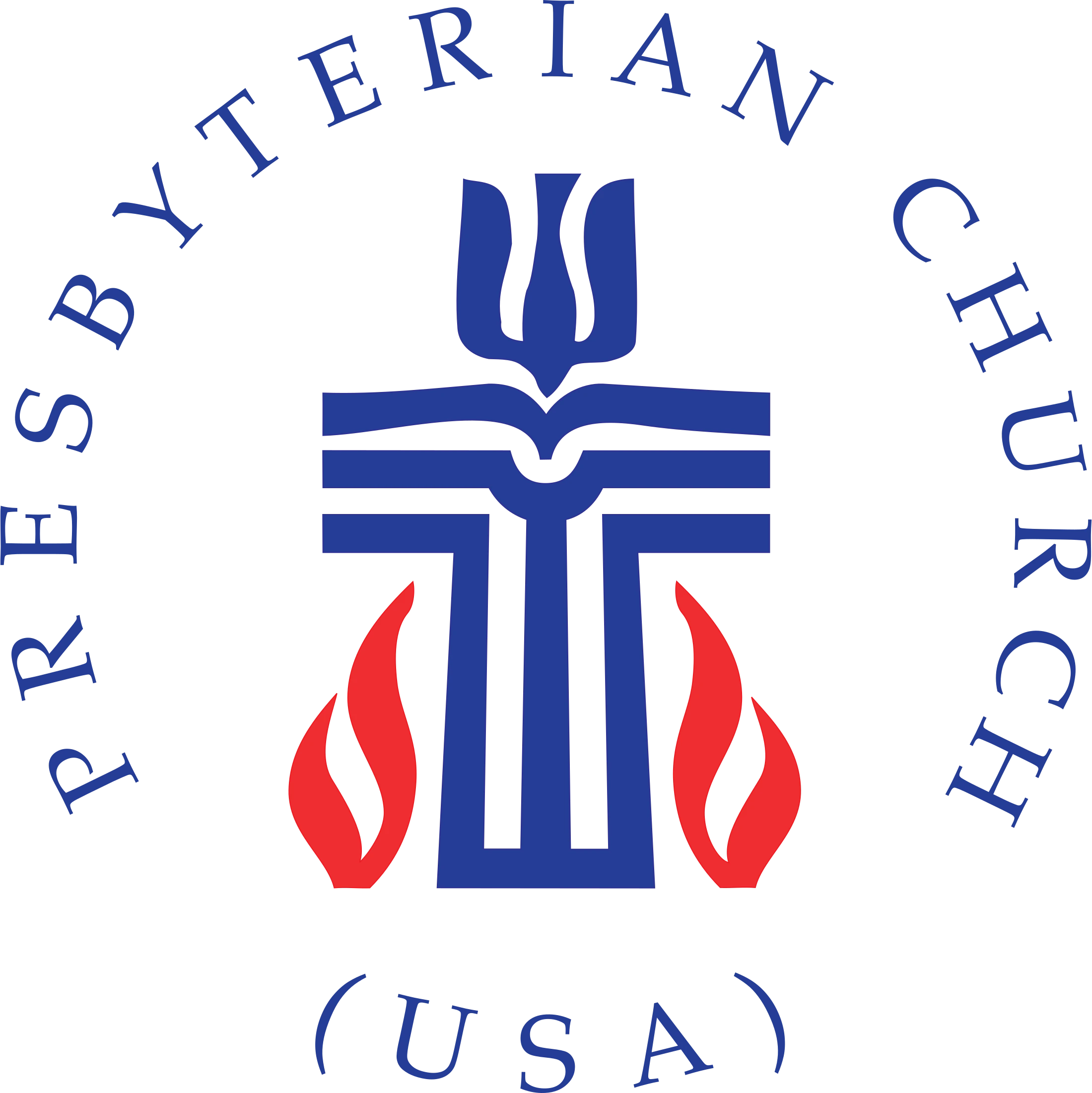
The official seal of the Presbyterian Church (USA) was adopted in 1985. At first glance it looks like a cross, but it is intended to capture some of the important emphases of the Reformed tradition. Even without the words “Presbyterian Church (USA)” around it, this symbol is a visual statement of Presbyterian heritage, identity, and mission in contemporary form. The emblem acts like a mini confession of faith. To understand the symbol, one needs to closely examine the art. The basic symbols in the seal are the cross, Scripture, the dove, and flames. It is here we learn the many teachings and beliefs of the Presbyterian Church (USA). Its power depends on both its simplicity and complexity, as well as its traditional and enduring qualities. The following information is adapted from the PCUSA website: https://pcusa.org/resources/pcusa-seal
The Cross
The dominant structural and theological element in the design is the cross — the universal and most ecumenical symbol of the Christian church. The cross represents the incarnate love of God in Jesus Christ and his death and resurrection. Because of its association with Presbyterian history, the Celtic cross was chosen as a model for this contemporary rendering of the ancient symbol.
The Open Book
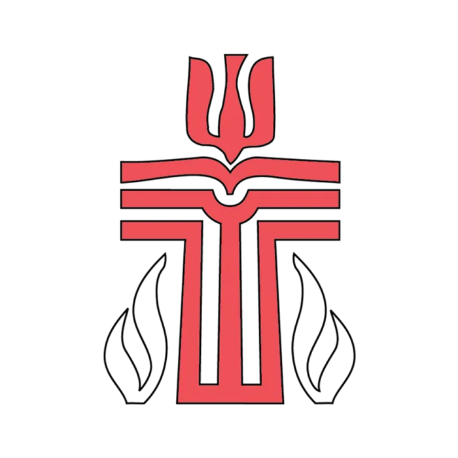
In experimenting with the basic lines and shapes of the cross, the contour of a book began to emerge in the horizontal section, and the two center lines of the cross became the representation of an open book. This integration of the horizontal dimensions of the cross with the book motif highlights the emphasis that the Reformed tradition (as the People of the Book) has placed on the role of Scripture as a means of knowing God’s word and the importance of Christian education and the establishment of numerous schools, universities, and seminaries.

The Dove
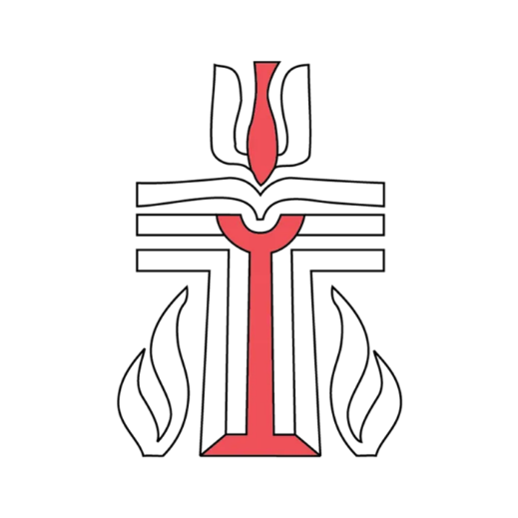
The slightly flared shape of the Celtic cross makes possible the transforming of the uppermost section into the shape of a descending dove. As a symbol of the Holy Spirit, the dove is intimately tied to the representation of the Bible, affirming the role of the Spirit in both inspiring and interpreting Scripture in the life of the church. The dove also points to Christ’s baptism by John the Baptist, and it represents peace, faithfulness, and wholeness to a broken world (as in the story of Noah’s ark).

The Pulpit
Beneath the image of the book is the suggestion of a lectern or pulpit, which captures the important role of preaching in the history of Presbyterian worship. This is a reminder that the calling of the church is to proclaim the gospel to all humankind.
The Flames
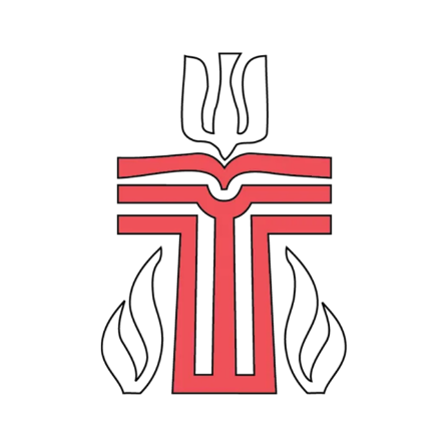
Integrated into the lower part of the design are flames that form an implied triangle, a traditional symbol of the Trinity. The flames themselves convey a double meaning: a symbol of revelation in the Old Testament when God spoke to Moses from the burning bush as “I AM,” and a suggestion of the beginning of the Christian church when Christ manifested himself to his apostles at Pentecost and charged them to be messengers of the good news of God’s love.

The Triangle
Besides the Holy Trinity at the heart of the seal, the implied triangle suggests the nature of Presbyterian government—with its concern for balance and order—dividing authority between ministers of the Word and laypeople and between different governing councils. This understanding of the church is based in part on an important idea in Reformed theology—the covenant—which God establishes with people to affirm God’s enduring love and to call us to faith and obedience to Jesus Christ.

The Fish and
the Font/ChaliceLooking more closely at some of the visual components of the design, viewers may discover elements that seem to fuse with some of the more obvious theological symbols, or the overall image may suggest a human figure with stretched out arms. In the shape of the descending dove, for example, one might discern in the body of a bird or the form of a fish (an early Christian sign for Christ)—recalling his social ministry to those who hunger and inviting his disciples to be “fishers of people.” For some, the overall design evokes the calligraphy of Hebrew and Greek manuscripts. Others have seen a baptismal font or a communion chalice (cup)—both images of the two sacraments as ongoing signs and central symbols of God’s presence with us and working through us.
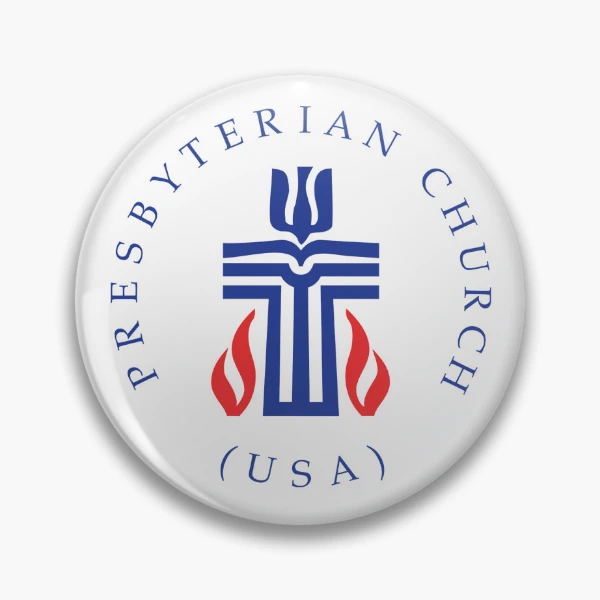
The seal is designed with a simplicity that enables the viewer to retain the image in the mind’s eye. The clean, carefully measured lines and shapes can be readily recognized as a distinctive symbol, even when it is reduced in size. At the same time, the complexity of the seal stimulates the imagination and suggests several levels of meaning. The symbolic and visual qualities remind the Presbyterian Church (USA) of its identity and call to be a servant of Jesus Christ.
In 1 Corinthians, Paul described the church as a body with many members, illustrating the pluralism of the church and the many gifts that God gives to its members. Likewise, the seal’s individual parts, when taken together, form an encompassing visual and symbolic unity, while not exhausting the richness of possible interpretations.